Color Beach Balls: Fun Coloring Pages for Kids
Are you looking to add some summer-inspired fun to your home decor or crafts projects? Look no further than the humble beach ball – a timeless symbol of sun-soaked days and relaxation. But why stop at the classic solid colors or simple patterns? Today, we're diving into the world of coloring beach balls, a creative and engaging activity that combines the joy of customization with the playful spirit of summer.
Coloring beach balls isn't just for kids. In fact, it's an activity that brings people of all ages together, inspiring a sense of nostalgia and encouraging self-expression. So let's inflate, grab our markers, and get started on this vibrant journey. After all, there's no better way to celebrate the season or add a pop of color to your world!
Choose Your Canvas: types of Beach Balls
Before you dive headfirst into the world of beach ball coloring, it's essential to understand the different types of beach balls available. Knowing your canvas will help you decide which coloring experience best suits your creativity.


The most common type is the traditional, smooth, and shiny plastic beach ball. These are usually yellow, blue, or red and provide a sleek surface for color application. Then, there are textured beach balls, which feature raised patterns and bumps, perfect for adding depth and dimension to your colors. Finally, there are inflatable fun shapes, like pineapples, flamingos, or donuts, that offer unique surfaces for creative exploration.
Plastic vs. Fabric: Deciding Your Medium
Beach balls come in various materials, each with its unique advantages for coloring. Plastic beach balls are the most common and provide a smooth, non-absorbent surface that's perfect for markers and paint.


On the other hand, fabric beach balls offer a textured, porous surface that absorbs color, creating a more seamless, integrated look. However, they may require special fabric markers or paint to achieve vibrant results. Consider your preferred medium and the desired final appearance when choosing your beach ball material.
The Appeal of Textured Surfaces
Textured beach balls might seem more challenging to color, but they offer a unique advantage – depth. The raised patterns and bumps create natural shadows, allowing your colors to blend and interact in fascinating ways.
Moreover, textured surfaces provide an excellent opportunity to create optical illusions, like three-dimensional effects or gradations. Embrace the challenge, and you'll be rewarded with a truly unique and visually striking masterpiece.


Picking Your Palette: Colors for Beach Ball Coloring
Now that you've chosen your canvas, it's time to pick your palette. When it comes to beach ball coloring, the possibilities are virtually endless. However, a few tried-and-true strategies can help you create stunning, eye-catching designs.
For a classic, elegant look, stick to a monochromatic or ombre scheme. To create a party-ready atmosphere, opt for bold, contrasting colors that pop. Looking to channel the spirit of summer? Combine sun-inspired hues like orange, yellow, and hot pink. The choice is yours – let your creativity be your guide!
Experiment with Gradients and Shading
Beach ball coloring isn't limited to solid colors. In fact, incorporating gradients, shading, and blending can add depth and dimension to your design. Experiment with different techniques to create subtle gradations or dramatic fades.

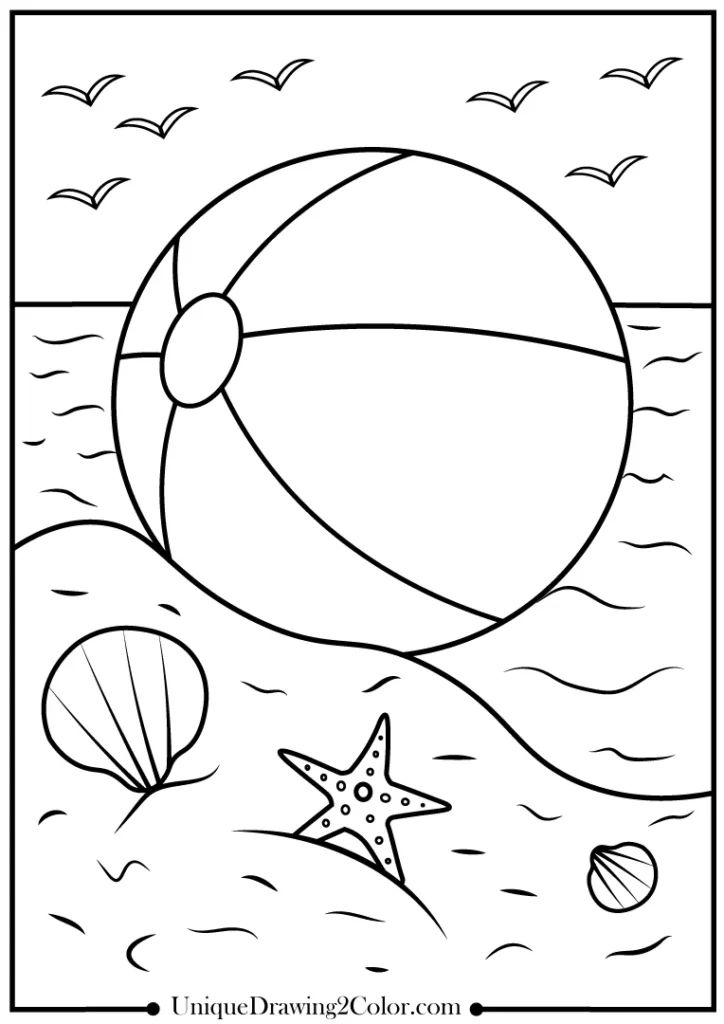

Try using a blending marker to create smooth transitions between colors, or use a light touch with your paintbrush to build up layers of color gradually. The key is to embrace the process and let your colors mingle and mesh in unique ways.
The Power of Negative Space
Don't overlook the power of negative space in your beach ball coloring. By leaving areas uncolored, you can create striking contrasts and emphasize the shapes and patterns of your design.
To make the most of negative space, consider how your colors will interact with the surrounding environment. Drawing attention to specific areas can create a focal point or showcase the beach ball's unique shape. Plus, negative space can provide a much-needed visual break, allowing your colors to shine bright and bold.
Tools of the Trade: Top Markers for Beach Ball Coloring
Now that you've got your canvas and palette ready, it's time to choose your tools. When it comes to beach ball coloring, certain markers rise above the rest, delivering vibrant, long-lasting color and ease of application.
Alcohol-based markers, like those from brands like Copic, Prismacolor, or alcohol markers, offer unparalleled color payoff and versatility. They're perfect for blending, layering, and creating gradients, making them a popular choice among colorists.
Consider Specialty Markers for Textured Surfaces
If you've chosen a textured beach ball, consider opting for markers specifically designed for fabric or textured surfaces. These markers, often called "Fabric Markers" or "Acrylic Fabrics Markers," are water-based and produce vibrant, long-lasting color on porous materials.
Some popular choices include fabric markers from brands like Tulip and Fabri-Fuse. Keep in mind that these markers may require a heat setting or time to cure for optimal results, so be sure to follow the manufacturer's instructions carefully.
Painting Your Beach Ball: Alternative Techniques
Markers aren't the only tools in the beach ball coloring toolbox. In fact, painting your beach ball can lead to stunning, unique results. Acrylic paints, in particular, are an excellent choice for creating bold, vibrant designs that last.
Use a fine-tipped paintbrush to apply paint to your beach ball, experimenting with techniques like dry-brushing, stippling, and blending to create dynamic, engaging designs. Keep in mind that painting may require more time to cure and dry, so plan accordingly.
In the end, the only limit to your beach ball coloring is your imagination. So go ahead, embrace the spirit of summer, and let your creativity run wild. Happy coloring!
Related Articles

Color Big Trucks: Free Printable Coloring Pages for Kids
Immerse your little ones in the exciting world of transportation with our wide array of big truck coloring pages! Designed especially for kids, these pages are...

Printable Bear Coloring Pages for Kids
Unleash your creativity and keep your little ones engaged with our collection of printable bear pictures to color! These adorable bear-themed coloring pages...

Coloring Fun for Older Kids: Age-Appropriate Color Pages
As children grow older, their interests and skills also evolve. While coloring pages were once a staple for toddlers and preschoolers, they remain a fun and...

Simple Beach Coloring Pages for Kids
Spending hours flipping through summer magazines, gazing at vibrant beach scenes, and imagining the salty breeze against your skin can be quite invigorating...

Printable Beach Coloring Pages for Kids
Toddle over to the beach with your little ones and let the good times roll! Coloring pages for kids, featuring the printable beach fun that's as engaging as it...

Kids Color by Number Beach Fun
Transport your little artists to the delightful world of seaside adventures with our beautifully designed kids color by number pages featuring a beach theme...