Do-a-Dot Worksheets for Learning and Fun
Do-a-Dot worksheets have become a staple in classrooms and homes around the world, offering a fun and engaging way to teach important skills to children. But what are they exactly, and how can you effectively use these worksheets to enhance your child's education? Let's dive into the world of Do-a-Dot worksheets and explore their benefits, varieties, and usage.
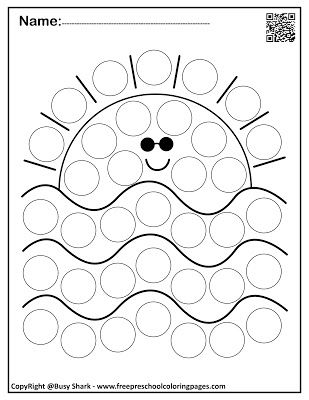
Before we delve into the specifics, let's briefly understand what Do-a-Dot worksheets are. These worksheets, designed for young learners, present a simple task: color, circle, or draw on designated points or "dots" to complete an activity. This seemingly straightforward activity helps children develop various skills, from fine motor control to number and letter recognition.
Understanding the Benefits of Do-a-Dot Worksheets
Do-a-Dot worksheets are more than just coloring pages. They offer a treasure trove of educational benefits, making them an excellent tool for teachers and parents alike. Let's explore some of these benefits.


One of the primary advantages of Do-a-Dot worksheets is their ability to help young children develop fine motor skills. Coloring, drawing, and circling with precision require control and coordination, which these worksheets help cultivate. Moreover, these worksheets foster creativity and self-expression, allowing children to explore their artistic side while learning.
Fine Motor Skill Development
Do-a-Dot worksheets require minimal movement and precise actions, such as marking dots one at a time, which improves hand-eye coordination and finger strength. This helps children transition from using their whole hand to control a pencil to using their fingers, preparing them for writing and other fine motor tasks.


Consider worksheets that require tracing shapes or writing letters. These tasks help strengthen the muscles in children's hands and fingers, setting them up for success in more complex motor tasks down the line.
Cognitive and Academic Skill Development
While fine motor skills are crucial, Do-a-Dot worksheets also nurture cognitive and academic abilities. Many worksheets incorporate counting, number, or letter recognition, encouraging early math and reading skills. For instance, children might trace numbers or count the number of dots they need to color.
Additionally, these worksheets can help children understand concepts like patterns, shapes, and colors. By coloring shapes or following a pattern of colors, children can develop an understanding of these essential concepts, laying a strong foundation for more complex learning.




Exploring the Variety of Do-a-Dot Worksheets
Do-a-Dot worksheets come in a plethora of themes and varieties, catering to different ages, abilities, and interests. Let's examine some of the most common types of Do-a-Dot worksheets.
One popular type is tracing worksheets. These worksheets feature dotted outlines of letters, numbers, shapes, or objects. Children trace along the dots to practice writing and draw, reinforcing their understanding of these essential concepts.
Tracing Worksheets
Tracing worksheets are particularly beneficial for young learners, as they help introduce and reinforce important academic skills. They also provide a useful stepping stone between drawing, which requires no proven skill, and writing, which requires control and understanding.


Consider incorporating tracing worksheets into your teaching or learning activities to help children develop their motor skills and understanding of essential concepts.
Coloring and Fill-in Worksheets
Coloring and fill-in worksheets are another popular type of Do-a-Dot worksheet. These worksheets present children with simple shapes, objects, or scenes, usually with some elements left blank or filled with dots.
Children color or draw on the appropriate sections, following the given images or patterns. These worksheets encourage creativity and self-expression while helping children understand shapes, colors, and simple drawing concepts.
Game-Based Worksheets
Some Do-a-Dot worksheets take the form of games, turning learning into an enjoyable activity. Bingo cards, matching games, and scavenger hunts all offer engaging ways to practice essential skills through coloring, drawing, or circling.
Game-based worksheets not only make learning fun, but they also encourage social interaction and friendly competition, making them an excellent choice for group settings like classrooms or playgroups.
Integrating Do-a-Dot Worksheets into Your Learning Plan
Now that we've explored the benefits and varieties of Do-a-Dot worksheets, let's discuss how to effectively incorporate them into your learning plan.
Before you start using Do-a-Dot worksheets, it's essential to identify your child or students' skills and interests. This will help you select age-appropriate worksheets and adjust the level of difficulty for optimal learning.
Introducing Do-a-Dot Worksheets
When introducing Do-a-Dot worksheets, make sure to provide clear, concise instructions. Demonstrate how to complete the worksheet, highlighting the target skills and explaining any specific tasks or rules.
For example, if using a tracing worksheet, show children how to follow the dots with their pencil, starting and ending at the designated points. Encourage them to trace slowly and carefully to develop their motor skills and understanding of the concept.
Pacing and Sequencing
When working with Do-a-Dot worksheets, be mindful of pacing and sequencing. Introduce new skills gradually, allowing children time to practice and master each concept before moving on.
Avoid overwhelming children with too many worksheets or complex tasks. By pacing activities appropriately, you can help them develop a strong foundation for future learning.
Including Do-a-Dot worksheets in your learning plan can be a rewarding experience, as they offer a wealth of educational benefits and cater to various ages, abilities, and interests. With a little planning and creativity, you can harness the power of these worksheets to enhance your child's education and make learning fun.
Related Articles

Printable Pokemon Worksheets for Learning Fun
Discover the perfect blend of education and entertainment with printable Pokémon worksheets. Ideal for teachers, parents, and Pokémon enthusiasts alike, these...

Preschool Summer Worksheets: Fun Learning Activities
As the summer sun starts to shine and the days grow longer, it's not uncommon for parents to start thinking about ways to keep their preschoolers engaged and...

Free Word Picture Matching Worksheets: Boost Learning Today!
In the realm of education, word picture matching worksheets have emerged as an invaluable tool for enhancing language skills, particularly among young...

Thomas The Tank Engine Worksheets: Fun Learning Activities for Kids
"Thomas the Tank Engine" has been a beloved children's television show for over 70 years, captivating young minds with its tales of friendship, cooperation...

Tea Party Worksheets: Fun Learning Activities for Kids
Welcome to the delightful world of tea, where sipping a warm cup can transport you to a place of tranquility and joy. But did you know that learning about and...

Summer Fun: Preschool Worksheets for Learning & Engagement
As the weather warms and school winds down, many parents search for engaging and educational activities to keep their little ones sharp and excited about...